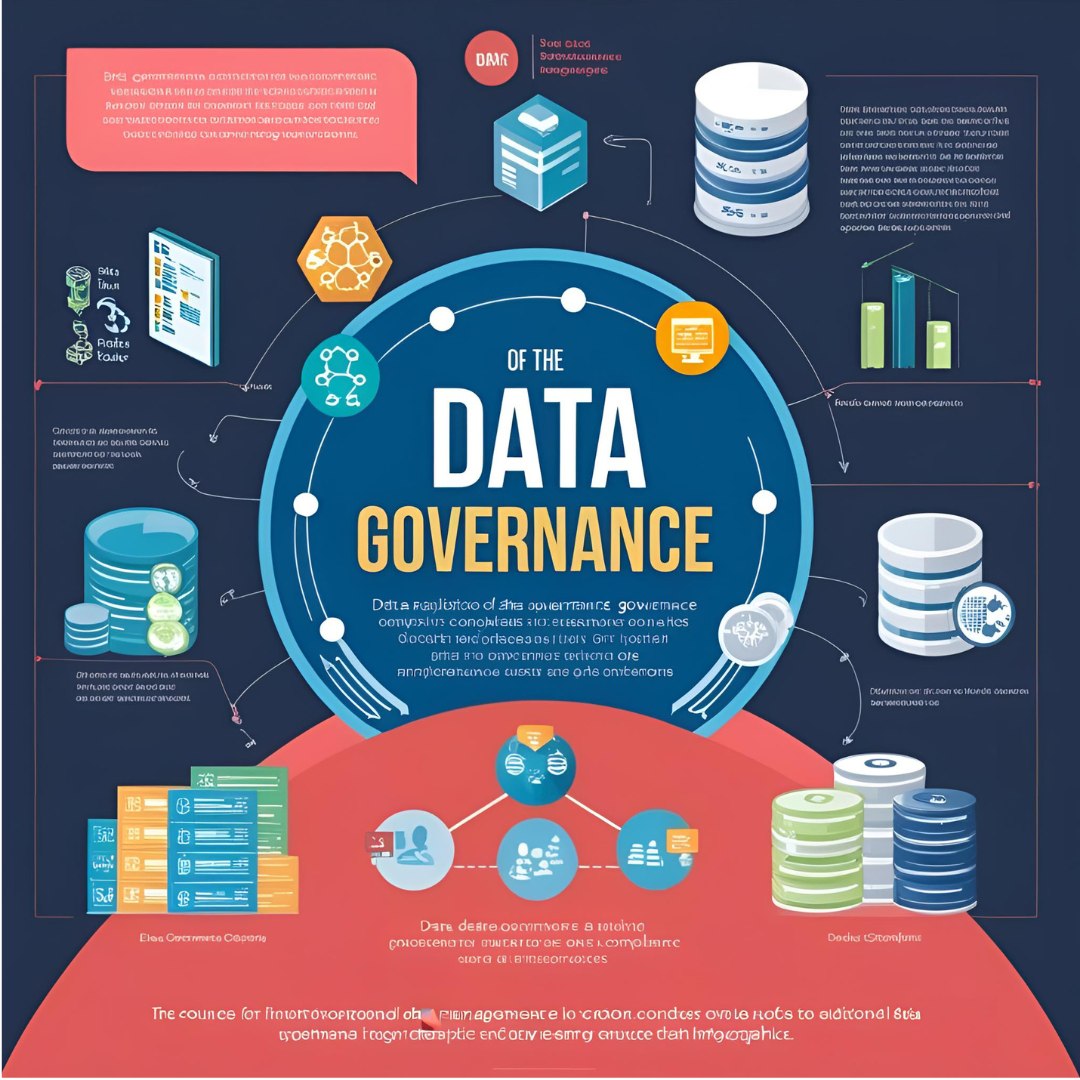
Overview of Data Governance
Data governance refers to the policies, processes, and technologies that ensure proper management of data throughout its lifecycle. This includes ensuring data accuracy, security, availability, and compliance with industry regulations. Organizations need robust data governance practices to safeguard sensitive information, ensure data integrity, and mitigate the risks of data breaches.
With the rise of regulatory requirements and growing concerns over data privacy, businesses must implement data governance to ensure:
- Data Security: Protecting sensitive data from unauthorized access and cyber threats.
- Data Quality: Ensuring data is accurate, complete, and trustworthy.
- Compliance: Adhering to legal and industry regulations like GDPR, HIPAA, and CCPA.
- Data Transparency: Providing clear data management practices and audit trails.
Key Components of Data Governance:
- Data Stewardship: Assigning responsibility for managing and ensuring the quality of data across the organization.
- Data Policies: Establishing guidelines for data usage, retention, and sharing.
- Data Privacy: Ensuring that data is handled in compliance with privacy laws and protecting individuals' rights.
- Data Integrity: Implementing measures to ensure that data remains accurate, consistent, and up to date.